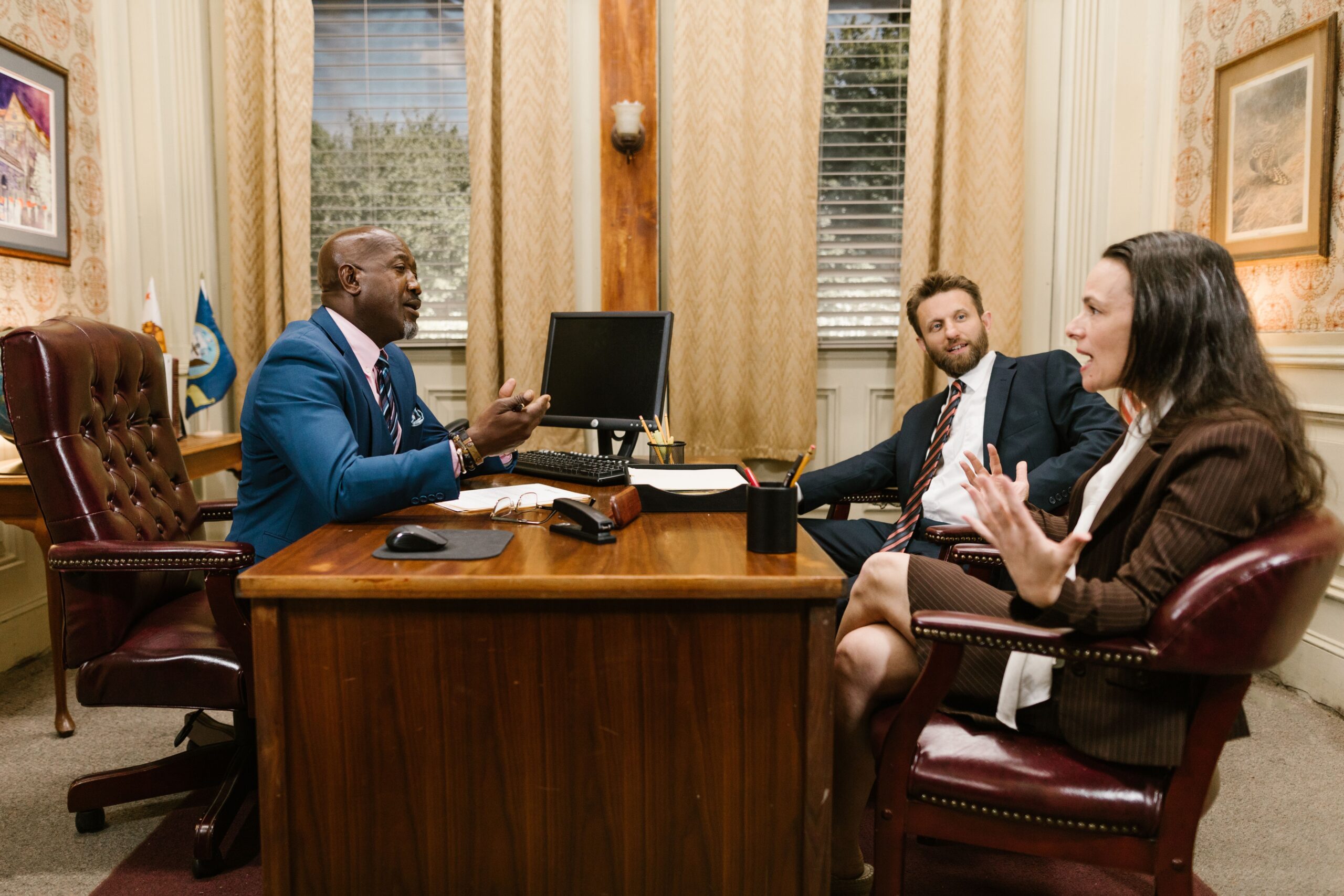
Louisiana’s criminal justice system has changed significantly in recent years, with lawmakers adopting tougher sentencing policies and revisiting long-standing criminal procedures. For individuals facing felony charges, these developments can affect everything from sentencing to post-conviction options.
​
If you or a loved one has been charged with a felony, understanding these legal changes is an important step toward protecting your rights and making informed decisions throughout the legal process.
​
Tougher Sentencing Laws and the 85% Rule
Recent legislative reforms have significantly impacted Louisiana’s sentencing laws. For most offenses committed on or after August 1, 2024, parole eligibility has been eliminated, leaving only limited statutory exceptions. At the same time, Louisiana adopted stricter limits on sentence reductions through good-time credits.
​
Under the state’s 85% rule, many individuals convicted of qualifying felony offenses must serve at least 85% of their sentence before becoming eligible for release, with fewer opportunities to reduce their time through good-time credits. As a result, the actual time spent incarcerated may be substantially longer than many defendants expect.
​
These changes mean that the outcome of a felony case can have even greater long-term consequences, making early legal representation and a well-prepared defense more important than ever.
​
Changes Affecting Young Defendants
​Louisiana now prosecutes many 17-year-olds in the adult criminal justice system rather than juvenile court. As a result, younger defendants may face adult criminal penalties and the lasting consequences of a felony conviction. For these individuals, building a strong defense early in the process is especially important, as a conviction can affect future educational, employment, and housing opportunities.
​
Ongoing Changes to Post-Conviction Relief
Louisiana has also continued to address the legacy of non-unanimous jury verdicts. Although the U.S. Supreme Court ruled that new felony convictions must be unanimous, lawmakers continue to debate whether certain individuals convicted under the previous system should have access to additional post-conviction relief.
​
Anyone convicted under Louisiana’s former non-unanimous jury laws should speak with an attorney to determine whether any legal options remain available.
​
Defense Strategies Continue to Evolve
​As Louisiana’s criminal laws change, defense attorneys must continue adapting their strategies to protect their clients’ rights. Depending on the circumstances, an effective defense may involve:
​
  • Challenging the legality of a search or arrest
  • Examining whether law enforcement followed proper procedures
  • Reviewing the strength of the prosecution’s evidence
  • Negotiating reduced charges or favorable plea agreements when appropriate
  • Preparing a strong defense for trial
Because every case is unique, early intervention often provides the greatest opportunity to investigate the facts and identify potential defenses.
​
Protecting Your Future
​A felony conviction can have lasting consequences beyond the courtroom, including lengthy prison sentences, financial penalties, and long-term effects on employment, housing, and other opportunities. As Louisiana’s criminal justice system continues to evolve, staying informed about current laws and working with an experienced criminal defense attorney can help you better understand your rights and pursue the strongest possible defense.
​
If you are facing felony charges in Louisiana, don’t wait to seek legal guidance. The experienced criminal defense attorneys at Stephenson, Chávarri & Dawson can help you understand your rights, evaluate your options, and build a strong defense. Call 504-523-6496 or contact us online to schedule a consultation.

A trust is a legally recognized arrangement in which one party manages assets for another. Trusts are commonly utilized in estate planning to oversee assets, wealth, and the distribution of property over time. Fundamentally, a trust distinguishes between legal and beneficial ownership and establishes a structured system for managing property according to specific instructions.

The Core Roles in a Trust

Every trust is created based on three essential roles. Together, these roles form the legal and operational foundation of any trust arrangement. These three roles include:
  • Beneficiary: The party that is given the financial benefits, income, or assets from the trust.
  • Trustee: The party responsible for overseeing the trust’s assets. Trustees hold legal title and are bound by a fiduciary duty. This means the trustee must act in the best interests of the beneficiaries, in accordance with the trust’s terms and agreements.
  • Grantor (or Settlor): The party who formed the trust and transfers the assets. This party establishes the trust’s rules and structure.

How a Trust Works

A trust operates through a clear, step-by-step process that defines its creation, funding, and management over time. This process generally follows these steps:
  1. Establishment: Legal professionals and grantors work together to draft a trust document that sets forth the trust’s terms, conditions, and purpose.
  2. Funding: The grantor then creates the transfer of ownership of the chosen assets- this ranges from investments, cash, real estate, etc. – into the trust.
  3. Administration: The trustee manages and distributes the assets in accordance with the instructions set out in the trust.  This may include ongoing investment management, scheduled distributions, or payments for specific purposes such as education or living expenses.

Types of Trusts

Trusts can be organized in a variety of ways, with each structure serving different goals depending on the level of control, flexibility, and estate planning needs involved:
  • Revocable Trusts (Living Trusts): These are created during a person’s lifetime and can be changed or canceled at any time. They often help transfer assets and avoid probate.
  • Irrevocable Trusts: Once created, these usually cannot be changed. The person who creates them gives up control, but they can offer better asset protection and potential tax benefits.
  • Living Trusts: These are set up during a person’s lifetime to manage their assets while they are alive and to pass them on after death without going through probate.
  • Testamentary Trusts: These are created through a will and only take effect after the person dies. They are often used to manage how an inheritance is given out over time.

Why Trusts Are Used

Trusts serve several important purposes in estate and financial planning. They help avoid probate by allowing assets to be transferred directly to beneficiaries without going through the court, making the process faster and more efficient. When properly structured, trusts can also protect assets by shielding property from creditors, lawsuits, or other financial claims. In addition, they allow for controlled distribution, meaning the person creating the trust can set specific rules for when and how beneficiaries receive their assets, such as at certain ages or after meeting specific milestones. Trusts also offer greater privacy than wills because they are not typically part of the public record. Finally, certain types of trusts can support tax planning, potentially reducing estate, gift, or income tax obligations.
Overall, trusts are flexible legal instruments that provide structure, protection, and control over how assets are managed and transferred over time. If you are considering a trust as part of your estate plan, an experienced attorney can help you design a structure tailored to your needs and long-term goals. We invite you to discuss your particular legal needs with an experienced attorney at Stephenson, Chávarri & Dawson. Call our New Orleans office at 504-523-6496. French- and Spanish-speaking clients are welcome.

Many people assume estate planning is only necessary later in life, after retirement, or once significant wealth has been accumulated. However, young adults in Louisiana may benefit from having certain estate planning documents in place long before those milestones occur.​

Whether you are beginning your career, purchasing your first home, getting married, or starting a family, an estate plan can help protect your wishes and provide guidance for loved ones during unexpected situations. Estate planning is not solely about distributing assets after death—it can also address important decisions regarding finances, healthcare, and legal authority if an individual becomes unable to make decisions independently.

Understanding the basic components of an estate plan can help young adults take proactive steps to protect themselves and their families:

​

Why Estate Planning Matters for Young Adults

​Many young adults believe they do not own enough property or have enough assets to justify creating an estate plan. However, estate planning involves much more than deciding who receives property after death.

Without proper legal documents in place, family members may face difficulties making medical decisions, managing financial matters, or carrying out an individual’s wishes during a medical emergency or period of incapacity.

​Life can change quickly. Marriage, parenthood, homeownership, career advancement, and business ownership can all create circumstances where estate planning becomes increasingly important.


Healthcare Directives and Medical Decisions

One of the most important estate planning tools for young adults is an advance healthcare directive or living will. These documents allow individuals to communicate their medical preferences and appoint someone to make healthcare decisions if they become unable to do so.

In Louisiana, parents do not automatically retain the authority to make medical decisions for their adult children once those children reach age 18. This can create challenges during emergencies if no legal documents are in place.

By establishing healthcare directives, young adults can ensure that trusted individuals can make important decisions in accordance with their wishes.


Financial Powers of Attorney

A financial power of attorney allows a designated individual to manage certain financial matters if someone becomes incapacitated or otherwise unable to act on their own behalf.

This authority may include paying bills, accessing bank accounts, handling insurance matters, or managing other financial responsibilities.

Without a power of attorney, loved ones may need to pursue court proceedings to obtain authority to handle these matters, which can be both costly and time-consuming.

​

Creating a Last Will and Testament

While many young adults may not have extensive assets, a will can still provide important protections.

A will allows individuals to specify how property should be distributed and who should handle their estate. For young parents, a will may also address guardianship considerations for minor children.

Without a valid will, Louisiana succession laws determine how property is distributed. These default rules may not reflect an individual’s personal wishes or family circumstances. Creating a will provides clarity and can help reduce uncertainty and disputes among family members.

​

Digital Assets and Online Accounts

Today’s young adults often possess valuable digital assets that previous generations did not encounter. Social media accounts, online financial accounts, digital photographs, cryptocurrency, and other online assets may require special consideration.

An estate plan can include instructions regarding access to these accounts and identify individuals who should manage digital assets if necessary. Addressing digital assets can help prevent confusion and ensure that important information remains accessible to loved ones.

​

Major Life Events That Should Prompt Estate Planning

Several common life events may indicate that it is time to create or update an estate plan, including:

  • Getting married
  • Purchasing a home
  • Having children
  • Starting a business
  • Receiving an inheritance
  • Significant changes in financial circumstances
  • Relocating to Louisiana from another state

Even individuals who already have estate planning documents should review them periodically to ensure they continue to reflect their goals and current circumstances.

​

Taking the First Step

Estate planning is not reserved for retirees or wealthy individuals. Young adults can benefit from having basic legal documents that protect their healthcare decisions, financial interests, and long-term wishes. Creating an estate plan early can provide peace of mind and help loved ones avoid unnecessary complications during difficult situations. An experienced Louisiana estate planning attorney can help individuals understand their options and create a plan tailored to their unique needs and future goals.

Call Now: 504-523-6496