
When your workers’ compensation claim is denied, it can feel discouraging — especially when you’re already dealing with medical bills and missed work. But a denial doesn’t mean your case is over. Louisiana law gives injured workers the right to appeal and have their case reviewed by the Louisiana Workforce Commission’s Office of Workers’ Compensation Administration (OWCA).

At Stephenson, Chavarri & Dawson, our attorneys in New Orleans, Louisiana, assist injured employees in understanding their options when a claim is denied and guide them through the appeals process.

Understanding Why Workers’ Comp Claims Get Denied

Louisiana’s workers’ compensation system is designed to protect employees who are hurt on the job, but not every claim gets approved the first time.

Common reasons for denial include:

  • The employer or insurer disputes whether the injury happened at work.
  • The claim was filed late or had missing documentation.
  • The insurer’s doctor disagrees with your medical provider about treatment.
  • Insufficient evidence linking the injury to work duties.

A denial isn’t the end — it’s the beginning of a legal process that allows you to appeal and prove your eligibility for benefits under Louisiana law.

Louisiana Workers’ Compensation Appeal Forms

Louisiana’s appeal system revolves around two main forms, each used for a different type of dispute. Filing the correct form on time is critical to protecting your rights.

Form 1008: Disputed Claim for Compensation

Form 1008 is used when your employer or insurer denies benefits such as wage replacement (TTD, SEB, or PTD) or other compensation-related issues. You generally have one year from the date of denial to file this form.

Form 1009: Disputed Claim for Medical Treatment

If your medical treatment is denied or delayed after submitting a Form 1010 (Utilization Review Request), you must file Form 1009 within 15 days of the denial, modification, or deemed denial. The OWCA’s Medical Director reviews this form first.

You can find both forms on the official Louisiana Workforce Commission website at www.laworks.net.

Under La. R.S. 23:1310.5, a final judgment by a workers’ compensation judge can be appealed to the Louisiana Court of Appeals within 30 days of receiving notice of judgment.
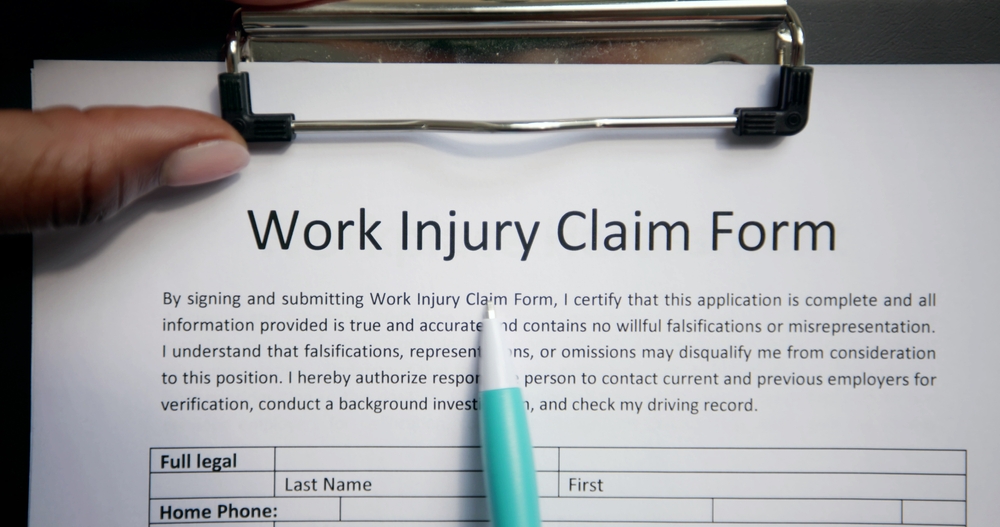
Louisiana Workers’ Compensation Appeal Forms

Step-by-Step Appeal Process in Louisiana

Appealing a denied workers’ compensation claim in Louisiana follows a specific order. Each stage has strict deadlines, and missing even one can delay or end your appeal.

Key Stages in the Appeal Process:

  • Start with a Form 1010 (medical treatment request).
  • If denied, submit Form 1009 within 15 days to the OWCA Medical Director.
  • If you disagree with the Medical Director’s decision, file Form 1008 within 15 days to request a judge’s review.
  • The OWC may schedule mediation before or after the 1008 filing.
  • A Workers’ Compensation Judge will then hold a hearing, usually within 60–90 days.
  • If needed, you may appeal to the Louisiana Court of Appeals within 30 days of the judge’s ruling.

Always verify the latest deadlines and form requirements directly with the Louisiana Workforce Commission (LWC) to ensure your claim remains valid.

Mediation and Hearings

Louisiana’s workers’ compensation system includes mediation to encourage early settlement. Mediation can occur before or after filing Form 1008.

During mediation, both sides meet (in person or remotely) to discuss the dispute with an OWCA mediator. If both parties agree, the issue may be resolved without the need for a hearing.

If mediation fails, the case moves to a Workers’ Compensation Judge (WCJ) at the nearest OWC district office. The judge reviews evidence, witness statements, and medical records. Failing to appear at mediation or hearings can result in sanctions or case dismissal, so staying organized and meeting deadlines is critical.

Louisiana Workforce Commission (2025): Mediation is available both before and after a 1008 filing and can help resolve disputes faster than hearings.

Injury not proven work-related

Strengthening Your Appeal

Building a strong appeal requires clear, detailed, and credible documentation. Each denial reason demands a clear response supported by evidence.

Denial Reason

Supporting Evidence

Injury not proven work-related Incident reports, witness statements, job duty records
Missed filing deadline Proof of notice date, correspondence with insurer
Medical dispute Updated doctor reports, diagnostic scans, treatment history
Employer dispute Pay stubs, work schedules, emails, or supervisor notes
Lack of medical proof OWCA Form 1010, medical records, treatment plans

Keep copies of every form, letter, and medical record. Well-organized evidence can make the difference between approval and denial.

After the Hearing: The Appeal to the Court of Appeal

If you disagree with the Workers’ Compensation Judge’s decision, you have 30 days to file an appeal with the Louisiana Court of Appeals. This is not a new trial — the appellate court reviews the existing hearing record to determine if legal errors occurred. The appeal must be properly filed and supported by legal arguments.

You can review Louisiana’s full workers’ compensation procedures and statutes directly from the Louisiana Workforce Commission website for the most accurate and updated forms.

FAQs

How long do I have to appeal a denied workers’ comp claim in Louisiana?

One year for benefit denials (Form 1008) and 15 days for medical treatment disputes (Form 1009).

What is the difference between Form 1008 and Form 1009?

Form 1008 is for benefit disputes; Form 1009 is for medical treatment disagreements.

Do I have to attend mediation before a hearing?

Yes, Louisiana allows both pre-1008 and post-1008 mediation before a hearing.

Can I still receive medical treatment during my appeal?

Approved treatments may continue; disputed ones require a review of Form 1009 prior to continuation.

What happens after a Workers’ Comp Judge decision?

You can appeal to the Court of Appeal within 30 days.

Does filing an appeal guarantee benefits?

No, each case outcome depends on the facts and available evidence.

Conclusion

A workers’ comp denial in Louisiana doesn’t mean your case is over — it means you need to act quickly and correctly. Knowing which form to file, how mediation works, and what evidence to present can make your appeal stronger.

Louisiana law gives every injured worker a fair chance to be heard. Staying within the 15-day and one-year deadlines and submitting complete documentation is essential.

If you’ve received a denial and need clarity about your next step, the attorneys at Stephenson, Chavarri & Dawson in New Orleans can guide you through Louisiana’s workers’ compensation appeal process with experience and care.


If you work part-time, on a temporary contract, or just for a season in Louisiana, you might have wondered: Will workers’ comp protect me if I get hurt on the job? In most cases, the answer is yes.

Louisiana law covers most employees from day one—but the rules for part-time and temporary workers can be confusing. Many people miss out on benefits simply because they’re not told they qualify.

Here’s what you need to know about how workers’ comp applies to part-time and temp workers in Louisiana—plus what to do if your claim is denied. Louisiana workers’ comp for part-time workers is an important topic.

Who Qualifies for Workers’ Comp in Louisiana?

Under Louisiana’s Workers’ Compensation Act (La. R.S. 23:1021 et seq.), most employees are covered regardless of hours worked or how long the job lasts.

“Most employees in Louisiana are covered by workers’ compensation insurance from the first day on the job — including part-time, temporary, and seasonal workers.”

Source: Louisiana Workforce Commission

Covered Worker Types:

  • Part-time employees
  • Seasonal workers
  • Temporary or contract workers
  • Staffing agency employees

Coverage typically starts on your first day, even if your job only lasts a week.

Limited Exceptions:

  • Some domestic workers
  • Certain agricultural employees
  • Independent contractors (though exceptions apply here, too)

If you’re unsure about your status, the Louisiana Office of Workers’ Compensation Administration (OWCA) can clarify your rights.

How the Law Applies to Part-Time and Temporary Workers

The definition of “employee” in La. R.S. 23:1021(7) is broad. It includes anyone in the service of another under a contract of hire, regardless of hours worked.

This means that:

  • A part-time retail worker is likely covered
  • A temp warehouse employee hired through an agency is usually covered
  • A holiday-season server at a restaurant is likely covered

If you’re employed through a staffing agency or as a borrowed employee, the staffing agency’s workers’ comp policy usually provides coverage. However, in some cases, the host employer’s insurer may also be responsible. This prevents gaps in protection, even when your paycheck comes from one company and you work at another’s location.

There are exceptions. Independent contractors, certain domestic employees, and some agricultural workers may not be covered unless specific conditions are met.

Always check with the Louisiana Office of Workers’ Compensation Administration (OWCA) if you’re unsure.

Calculating Benefits for Part-Time

Calculating Benefits for Part-Time and Multiple Jobs

The amount you receive if you’re injured depends on your Average Weekly Wage (AWW). For part-time workers, this is calculated based on your actual earnings, not on a full-time salary. The formula is outlined in La. R.S. 23:1021(12).

If you have more than one job, known as moonlighting, wages from both jobs may be included in the calculation if Louisiana workers’ comp covers both employers.

For seasonal workers, the AWW may be based on annualized earnings to reflect your typical income better.

Example scenarios:

  • A part-time barista earning $320/week would have benefits based on that amount
  • A temp worker with two jobs (earning $250/week at each) might be able to combine both wages
  • A seasonal delivery driver’s income may be annualized to better reflect true earning potential

If You Work Multiple Jobs

If both jobs are covered under Louisiana workers’ comp, your total earnings can be considered. This can significantly increase the amount of your benefits.

Waiting Periods, Benefit Types, and Duration

Louisiana has a short waiting period before benefits start under La. R.S. 23:1224, no benefits are paid for the first seven days unless the disability lasts more than 14 days. In that case, the first week is paid retroactively.

Waiting Period Rule (La. R.S. 23:1224): “No compensation shall be paid for the first week after injury unless disability continues for two weeks or longer, in which case compensation shall be computed from the date of the injury.”

Part-time and temporary workers may be entitled to:

  • Temporary Total Disability (TTD) if they cannot work at all.
  • Temporary Partial Disability (TPD) if they can work fewer hours.
  • Supplemental Earnings Benefits (SEB) if they return to work but earn less than 90% of their pre-injury wages.

These benefits apply whether you work full-time or part-time, as long as you meet the injury and employment requirements.

Other Protections and Special Cases

Remote and hybrid workers are covered if they can show that an injury happened during the course and scope of employment. This includes work-related injuries at home.

Louisiana law also makes it clear that immigration status does not affect eligibility.

“Workers’ compensation benefits are available to employees regardless of immigration status.” Source: Louisiana Department of Insurance

Employees are protected from retaliation under La. R.S. 23:1361, which prohibits firing or discriminating against someone for filing a workers’ comp claim.

If your claim is denied, you can file a Form 1008 with the OWCA to request a formal hearing.

Protections and Special Cases

Louisiana Workers’ Comp at a Glance for Part-Time & Temporary Workers

Worker Type Covered? AWW Basis

Wait Period

Key Note

Part-Time Yes Actual pay 7 days; 14 retro Can combine jobs
Temporary Yes Temp wages 7 days; 14 retro Often via staffing agency
Seasonal Yes Annualized 7 days; 14 retro Holiday hires covered
Remote/Hybrid Yes Actual pay 7 days; 14 retro Must be work-related

Filing a Claim and Next Steps

If you’re injured, report it to your employer as soon as possible. In most cases, you have 30 days to report the injury, though sooner is better. Your employer should file a claim with their insurer, who will notify the OWCA.

If your claim is denied or delayed, you can initiate a dispute by filing Form 1008 with the OWCA. This starts the hearing process, where evidence can be presented.

While you can file a claim on your own, navigating complex situations like multiple jobs, staffing agency arrangements, or disputes often requires legal guidance.

FAQs

Do part-time employees qualify for workers’ comp in Louisiana?

Yes. Louisiana law covers part-time, full-time, seasonal, and temporary workers from their first day, ensuring wage replacement and medical benefits if they’re injured on the job.

Who provides coverage if I’m hired through a staffing agency?

Usually, the staffing agency’s workers’ comp policy applies, though in some cases, the host employer may also share responsibility depending on the work arrangement and contract terms.

How is my benefit amount calculated if I work multiple jobs?

If Louisiana workers’ comp covers both jobs, wages from each may be combined when calculating your average weekly wage, increasing potential benefit payments.

Do I still get benefits if I’m undocumented?

Yes. Immigration status doesn’t affect eligibility for workers’ comp benefits in Louisiana, so undocumented employees can receive medical care and wage loss payments if injured at work.

What if I’m injured while working remotely?

If your injury occurs while performing job-related duties, even from home, it may qualify for Louisiana workers’ comp benefits, provided you can prove it was work-related.

Conclusion

Whether you work part-time shifts, seasonal gigs, or short-term roles, you likely have the same rights as full-time workers when it comes to workers’ compensation in Louisiana.

What matters most is that you take action quickly if you’re injured:

  • Report the injury right away
  • Document your wages and work duties
  • Ask questions if you’re unsure about coverage

If your claim has been denied—or you’re worried about getting lost in a complex process—Stephenson, Chávarri & Dawson can help you move forward with confidence.

If you’ve been injured while working part-time, seasonal, or temporary jobs, Stephenson, Chávarri & Dawson can explain your options and fight for your rights. Contact us for a free consultation today.

Call Now: 504-523-6496