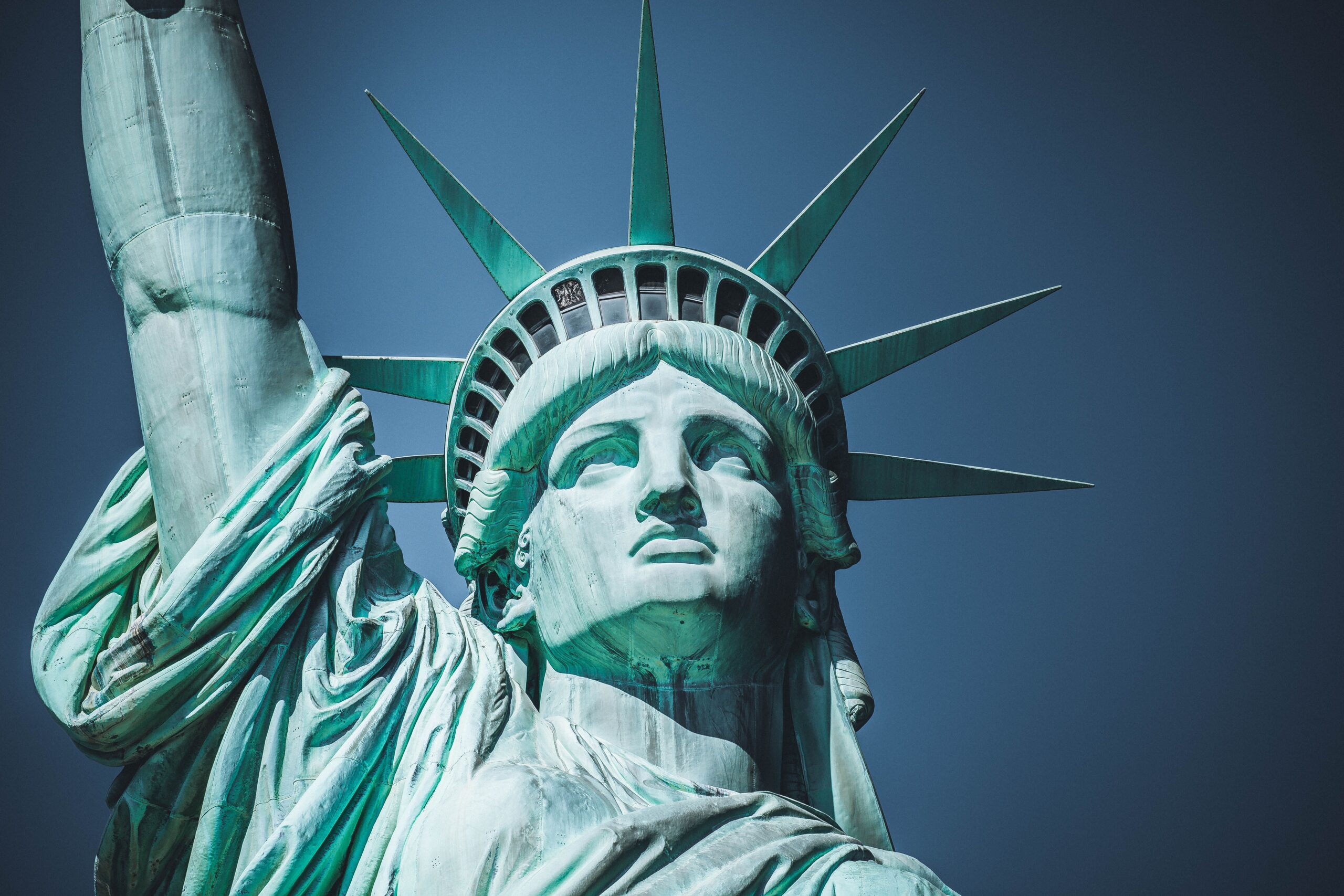
A green card is important, but it is not the end of the immigration process. Legal permanent residency allows immigrants to build a life in the United States, but it does not confer the full rights and protections of citizenship. For those wishing to continue, understanding naturalization is essential, especially with recent updates affecting application reviews.

The difference between a green card and citizenship 

A green card lets someone live and work permanently in the United States, but it has limits. Green card holders cannot vote in federal elections and may lose their status if they st. ay outside the country too long or break immigration laws.

U.S. citizenship gives more rights and security. Citizens can vote, get a U.S. passport, sponsor more family, and take a fuller role in society. Becoming a citizen brings greater stability and security for the future.

How the naturalization process works

​Naturalization is the legal process by which lawful permanent residents become U.S. citizens. Federal immigration authorities oversee the process, which includes steps to check eligibility and readiness for citizenship.

Applicants must complete the following steps:

  • Submit an application
  • Attend an in-person interview.
  • Take an oath pledging allegiance to the United States.

The process follows a set format, but each applicant’s experience may differ based on their circumstances.

Basic Eligibility Requirements

Applicants must meet the following requirements: be at least 18 years old.

  • Applicants need a green card for five years. If married to a U.S. citizen, they may qualify after three years under certain conditions.
  • Applicants must demonstrate that they have lived in the U.S. continuously and spent sufficient time physically in the country.
  • Most applicants must show basic English skills and pass a test on U.S. history and government. Some older individuals or those with certain medical conditions may be exempt.
  • Applicants must follow the law. This includes filing taxes correctly, avoiding criminal activity, and meeting financial obligations.

​Exceptions and Special Situations

Some may qualify for special accommodations or faster processing. Members of the U.S. armed forces can get expedited naturalization.

  • Older applicants may get modified testing based on age and how long they have lived in the U.S.
  • Applicants with certain medical conditions may request test exemptions upon providing proper medical documentation.

Knowing these exceptions makes the process easier for eligible applicants.

Important milestones for applying for Citizenship:

The naturalization process has steps that must be completed before citizenship is granted.

  • Applicants attend a biometrics appointment to have their fingerprints and photographs collected by officials. Officials use these to complete background checks.
  • The process starts when applicants file Form N-400 and provide documents, such as proof of residency and tax records. Applicants must pay filing fees.
  • After approval, applicants take the Oath of Allegiance and earn U.S. citizenship.
  • Applicants attend an interview in which an officer reviews the application and administers English and civics tests. Testing requirements may change.

Recent Updates to Keep in Mind: 

The path to citizenship is largely the same, but recent changes have made the process more detailed.

  • Newer versions of the naturalization test may include more questions and require correct answers.
  • Immigration officials are reviewing applications more closely, especially background history and moral character.
  • Mistakes, missing information, or outdated information can cause delays or denials. Careful preparation matters.

Keeping informed helps applicants prepare for and avoid problems.

Avoiding Common Mistakes

Even eligible applicants can experience delays or denials if errors are made during the process. Some common issues include:

  • Submitting incomplete or incorrect applications
  • Failing to provide the required tax documents
  • Spending long periods of time outside the United States
  • Using outdated or inaccurate immigration information

Carefully prepare all documents and information to avoid problems.

Taking the Next Step

Becoming a citizen is a milestone with benefits like legal protection, expanded rights, and full civic participation. Every case is different, so working with an immigration attorney may help applicants finish the process smoothly and efficiently.

If you are considering applying for U.S. citizenship, having the right legal guidance can make the process easier and less stressful. Our attorney can help you understand your options, prepare your application correctly, and avoid unnecessary delays. We have attorneys who speak English, Spanish, and French. Contact us today by clicking here or calling (504) 523-6496 to discuss your case and take the next step toward becoming a U.S. citizen.


For couples in New Orleans, applying for a marriage-based green card is a crucial step in building their future together. Denials can be overwhelming and often happen for unexpected reasons, including missing documents, form errors, or minor inconsistencies during the interview.

At Stephenson, Chávarri & Dawson, we regularly work with families who have faced these setbacks. Over time, we have seen the same issues appear again and again in marriage-based cases.

By knowing the common mistakes and how USCIS reviews applications, couples can take steps to avoid problems and strengthen their petitions from the start.

Common Reasons for Marriage-Based Green Card Denials

Marriage-based green card applications receive close attention from USCIS officers. A denial usually points to missing evidence, procedural mistakes, or statutory barriers. Some of the most common reasons include:

  • Insufficient proof of a bona fide marriage: USCIS expects more than wedding photos. Couples should provide joint bank accounts, leases or mortgages, insurance policies, and tax returns to demonstrate a shared life in marriage.
  • Errors in forms or documentation: Applications can be denied for missing signatures, outdated forms, or missing certified translations. Even small inconsistencies in names or dates can raise red flags.
  • Affidavit of Support (Form I-864) issues: The sponsoring spouse must show income above the federal poverty levels. Missing tax transcripts, lack of U.S. domicile, or forgetting a joint sponsor often leads to rejections.
  • Interview inconsistencies: If USCIS detects concerns, couples may face a Stokes interview. Conflicting answers, such as differences in daily routines, travel details, or living arrangements, can cause officers to doubt the marriage.
  • Inadmissibility grounds: Certain applicants may be ineligible due to unlawful presence, past fraud or misrepresentation, or some criminal histories. These situations often require waivers before approval is possible.

By understanding these pitfalls, couples can better prepare their applications and reduce the risk of a denial.

USCIS Policy Manual Update (August 2025)

In August 2025, USCIS updated its Policy Manual, clarifying standards for screening and vetting marriage-based cases. Officers now apply stricter guidelines when reviewing evidence and deciding whether to refer couples for interviews.

Another change is that denied applicants are more likely to receive a Notice to Appear (NTA) in immigration court, raising the stakes because removal proceedings may follow. Families should prepare more thoroughly than ever before, ensuring that every part of the petition is consistent and well-documented. For official guidance, applicants can review the USCIS Policy Manual directly.

USCIS Policy Manual Update

I-130 vs. I-485 Denial Pathways

Denials can happen at different stages, depending on which form is under review.

  • An I-130 Petition for Alien Relatives is filed to prove the marriage is legally valid and genuine.
  • If USCIS doubts the marriage is real, or if a prior marriage was not properly terminated, the I-130 may be denied.
  • An I-485 Application to Adjust Status reviews admissibility factors, such as whether the foreign spouse is allowed to remain in the U.S. This can be denied for reasons like unlawful presence, an incomplete medical exam (Form I-693), or public charge concerns.
  • Remedies differ by the type of denial. I-130 denials can often be fixed by refiling with stronger evidence. I-485 denials may require filing a motion to reopen or reconsider (Form I-290B), appealing to the Administrative Appeals Office, or pursuing consular processing abroad.

Strengthening Your Application

USCIS values evidentiary quality over quantity. A strong case shows a consistent, well-documented life together.

  • Financial proof: Joint bank accounts, leases, insurance, and utilities carry the most weight. Affidavits help, but cannot replace documents.
  • Consistency: Names, dates, and addresses must align across all forms and records.
  • Louisiana requirement: Only parish-issued certified marriage certificates are valid; unofficial copies risk denial.
  • Translations: Birth, divorce, or marriage records in other languages need certified translations with an accurate statement.
  • Interview prep: Interview prep: USCIS officers in New Orleans know local documents and housing norms. Couples should review records and prepare for detailed questions.

Strong, consistent evidence paired with careful preparation significantly reduces denial risks.

Common Marriage-Based Green Card

Common Marriage-Based Green Card Denial Reasons

Reason for Denial

Typical Issue

How to Avoid

Weak Bona Fide Evidence Few shared financial or residential ties Provide joint bank, lease, insurance, and tax returns
I-864 Affidavit Issues Sponsor income below poverty line, missing transcripts Add joint sponsor, file updated tax returns
Interview Inconsistencies Spouses give different answers Prepare with documented details of shared life
Translation / Documentation Errors Missing certified translations, name mismatches Hire a certified translator, check consistency
Inadmissibility Grounds Unlawful presence, fraud, criminal record Disclose fully, explore waiver if applicable

Post-Denial Options

A denial does not always close the door to permanent residency. Couples may file a motion to reopen or reconsider if they believe USCIS made an error. Refilling is also possible, especially when more substantial evidence is now available.

In some cases, consular processing abroad is a better option. This route involves additional steps and sometimes waivers, but may be the only path forward if the spouse is ineligible to adjust status within the U.S.

INA Section 212(a)(6)(C)(i): Any misrepresentation of a material fact to procure an immigration benefit can result in permanent inadmissibility, unless waived.

Each denial has different consequences, including possible NTAs. Couples should carefully evaluate their strategy. The USCIS page on Denials and Appeals outlines procedural options.

FAQs

What is the difference between an I-130 and an I-485 denial?

I-130 denials question the validity of the marriage. I-485 denials address admissibility or eligibility to adjust status. Both require different strategies to resolve effectively.

Can I reapply if my marriage-based green card is denied?

Yes, many applicants refile with more substantial evidence. The best option depends on why the application was denied in the first place.

What happens if I get a Notice to Appear (NTA) after denial?

An NTA means removal proceedings may begin. It is critical to respond quickly and explore available defenses with experienced legal guidance.

How do I prepare for a Stokes interview in New Orleans?

Review shared documents, practice consistent answers, and prepare for detailed personal questions. Preparation reduces stress and improves confidence at the interview.

Does a denied application affect my spouse’s immigration status?

A denial does not impact the U.S. citizen spouse but can leave the foreign spouse without legal status, creating risks of removal.

Conclusion

Marriage-based green card denials are frustrating, but they often happen for preventable reasons like weak evidence, affidavit of support issues, or mistakes in forms. USCIS policy changes in 2025 have made the review process stricter, so careful preparation is more important than ever.

Families in New Orleans facing these challenges deserve clear guidance and strong representation. At Stephenson, Chávarri & Dawson, our attorneys understand how to navigate both the local USCIS field office process and the complex federal rules that apply.

If your case has been denied or you are preparing to file, learning from these common mistakes can make the path forward smoother and less stressful.

Call Now: 504-523-6496