
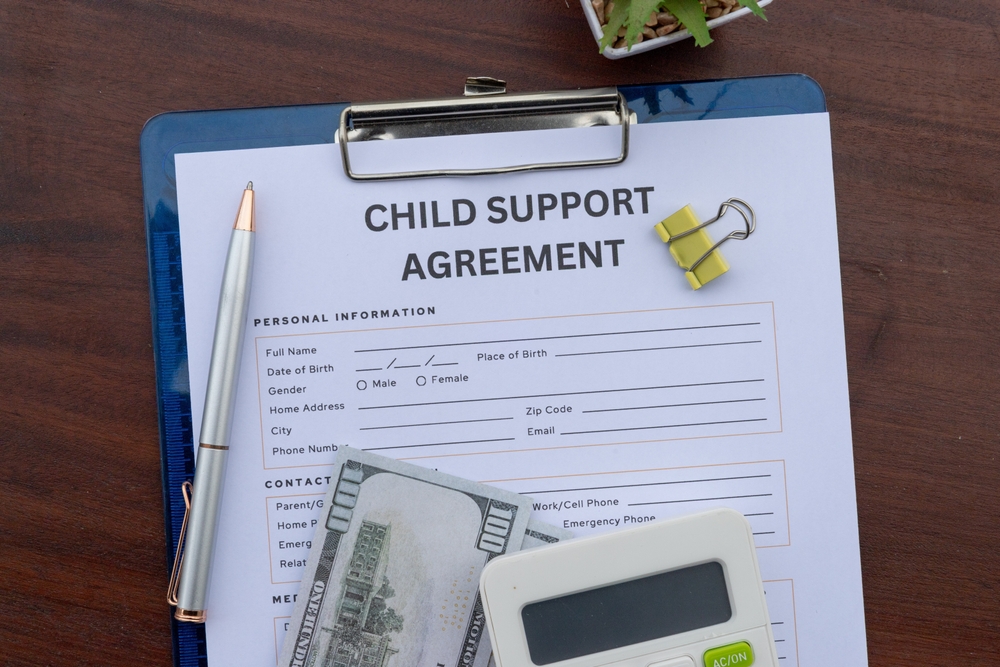
Child custody agreements are meant to bring structure and stability after a separation or divorce, but life rarely stays the same. Over time, parents move, jobs change, children grow older, and new family situations emerge. When these changes make the current custody order unworkable, many parents wonder if the agreement can be modified in Louisiana.
The answer is yes, but the process is not as simple as submitting a short form. Louisiana custody laws set strict conditions for when and how a court will approve a change. Understanding these laws really matters before you take any action, as even a slight misstep can delay or weaken your case.
This guide explains how child custody modifications work in Louisiana when you can request one, what counts as a “material change in circumstances,” and how courts decide whether a new arrangement is in the child’s best interests.
Understanding Child Custody Agreements in Louisiana
Louisiana recognizes two main types of custody arrangements: consent judgments and considered decrees. A consent judgment occurs when both parents agree on custody terms, and the court approves the agreement. A considered decree is issued after a full court hearing, during which a judge evaluates the evidence and makes a decision.
This distinction matters because it determines the difficulty of modifying the existing order. For example, changing a considered decree requires a much stronger showing of proof since the court has already weighed both parents’ evidence.
Louisiana’s custody laws are based on the child’s best interests, outlined under Louisiana Civil Code Articles 131–134. Courts consider various factors, including stability, parental fitness, and emotional bonds, when determining child custody arrangements.
You can review the full text of these articles on the Louisiana Legislature’s official site.
When Can a Custody Agreement Be Modified?
A parent seeking to change a child custody order must prove that a material change in circumstances has occurred since the original judgment. This standard ensures that the modification reflects the child’s current needs, not the parent’s convenience.
Common examples include:
- One parent relocating to another city or state.
- A change in a parent’s ability to care for the child.
- Evidence of neglect, abuse, or unsafe living conditions.
- A child’s needs change as they age, move through school, or experience health issues.
The case of Bergeron v. Bergeron, 492 So. 2d 1193 (La. 1986), remains a cornerstone in Louisiana custody law.
It established that if the original order was a considered decree, the parent requesting modification must prove that the current arrangement is harmful to the child and that a change will significantly improve their situation. This is often referred to as the Bergeron standard.

The Legal Process for Modifying Custody
The process of modifying custody begins by filing a Rule to Modify Custody in the same court that issued the original order.
The steps typically include:
- Filing the motion: A parent submits a written request explaining what has changed and why the modification is necessary.
- Serving the other parent: The other parent must receive official notice and have an opportunity to respond.
- Court hearing: Both sides present evidence, testimony, and documentation supporting their claims.
- Evaluation: In some cases, courts may order custody evaluations, home studies, or mediation before making a decision.
Louisiana courts emphasize evidence that directly relates to the child’s well-being. Documentation such as school records, counseling reports, or witness statements can strengthen a modification request.
The Louisiana State Bar Association offers helpful self-representation forms, including the Rule to Modify Custody form, to assist individuals who need help understanding the required procedures.
Factors Louisiana Courts Consider
Courts use Article 134 of the Louisiana Civil Code to determine what arrangement serves the child’s best interests. These twelve factors guide judicial decisions in all custody-related cases.
Some of the key considerations include:
- The love and emotional ties between each parent and the child.
- Each parent’s ability to provide for the child’s material and emotional needs.
- The stability of each parent’s home environment.
- The child’s adjustment to home, school, and community.
- The moral fitness and mental health of each parent.
- The willingness of each parent to encourage a positive relationship with the other parent.
Judges focus on what promotes the child’s long-term stability and emotional security rather than temporary disagreements between parents.

Temporary and Emergency Custody Modifications
In urgent cases, a court may issue a temporary or emergency custody order. This typically happens when a child faces immediate danger or harm due to abuse, neglect, or sudden instability.
Parents can file an ex parte motion, which allows the judge to act quickly without first hearing from the other parent. However, these orders are temporary, and a follow-up hearing is required to decide whether permanent changes are justified.
Emergency modifications ensure a child’s safety while still following the rule that long-term arrangements must still meet the best-interest test.
Working with a Family Law Attorney in New Orleans
While parents can file for custody modifications on their own, Louisiana custody laws can be complex. Each case depends on specific facts, evidence, and procedural requirements.
A knowledgeable family law attorney can help make sure paperwork is correct, evidence is presented correctly, and the court understands your child’s needs.
Stephenson, Chavarri & Dawson’s team of attorneys in New Orleans has extensive experience guiding families through Louisiana’s family law system with professionalism and empathy. They help parents focus on what truly matters for their children’s well-being.
FAQs
What qualifies as a material change in circumstances in Louisiana custody cases?
A significant change, such as relocation, neglect, or a parent’s altered ability to care for the child, impacts the child’s welfare or best interests.
Can parents modify Custody without going to court?
Yes, if both parents agree and the court approves it. Informal changes without judicial approval are not legally enforceable.
How long does it take to modify a custody order in Louisiana?
It varies, but generally takes several months, depending on court schedules, the complexity of the case, and whether disputes arise.
Can a child’s preference affect the court’s decision?
Yes, but it’s only one factor. The court considers a mature child’s wishes alongside other best-interest elements under Louisiana law.
What happens if a parent violates a custody order during modification proceedings?
The violating parent can face contempt of court, and such actions may influence the judge’s final custody decision.
Is an attorney required to modify a custody agreement in Louisiana?
It’s not mandatory, but having legal representation helps avoid mistakes and strengthens the case.
Conclusion
Modifying a child custody agreement in Louisiana is possible, but success depends on proving a genuine, material change that benefits the child. Courts scrutinize every case, prioritizing the child’s best interests over parental disputes.
Parents seeking to adjust custody should understand the legal standards and prepare strong evidence before filing. With professional guidance, families in New Orleans can move through the process more confidently, while keeping their child’s well-being as the top priority.
Stephenson, Chavarri & Dawson help Louisiana families handle complex custody modifications with clarity, compassion, and legal precision.
