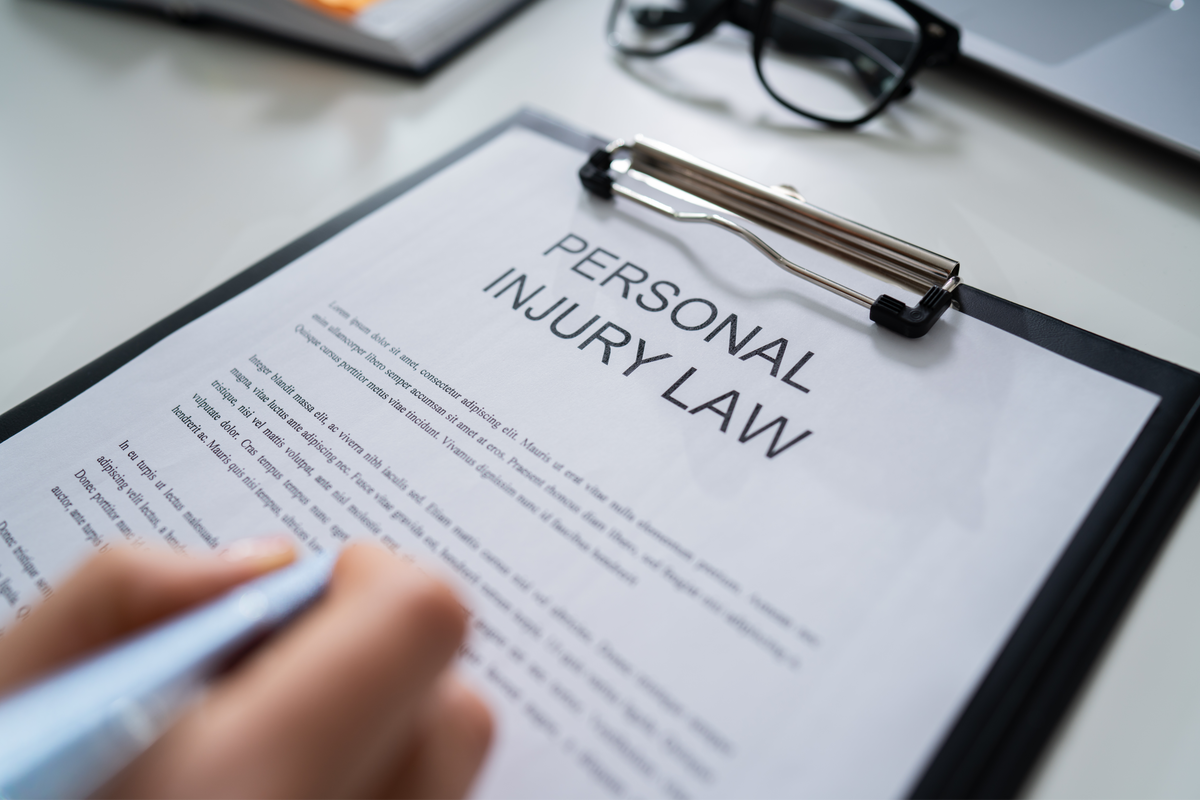
The reality of the matter is that high school sports injuries are costly, financially and emotionally. High school sports represent a time for children and teens to unwind, let go, and have fun. But, children and teens can suffer head injuries, broken bones, and torn or strained muscles resulting in temporary or permanent disabilities. 

Seeing kids roam the hallways of high schools on crutches because of the injuries they rack up playing sports is not uncommon. However, what they do not expect to happen is for them and their families to get stuck with a gigantic bill of out-of-pocket costs that their health insurance will not cover. Will the school pay when this happens? There is a lot to consider when trying to answer that vital question.

High School Sports Injuries Statistics

Recently, a high school football team lost a player to a “season-ending knee injury in the opener,” according to the Albany Democrat-Herald. The seniors on the team were not just playing for ego, but for an opportunity to reach their dream of playing college football and beyond. Imagine standing on the precipice of a successful future amongst your friends, only to stumble backward while your friends get to move forward. The emotional devastation coupled with cruel physical punishment amplifies the heartache. 

Stories like this one are not unusual. According to Stanford Medicine Children’s Health, every year in the United States, approximately 30 million children and teenagers participate in organized sports. About 3.5 million sports injuries involving children and teens happen yearly, with sprains and strains making up many injuries.

Death, thankfully, is not as common. However, those who do suffer fatal injuries typically sustain a brain injury. Stanford Medicine Children’s Health data shows that almost 50% of head injuries caused by sports or recreational activities usually happen when the child or teen engages in bicycling, skateboarding, or skating.

Most Common Types of High School Sports Injuries

Personal Injury Law

According to Stanford Medicine Children’s Health, approximately 800,000 children and teens are sent to hospital emergency rooms for sports-related injuries annually. Numerous situations and factors contribute to these injuries, including falls, collisions, being hit by an object, and overexertion, just to name a few.

Everyday high school sports injuries include concussions, bone fractures, sprains, strains, knee injuries, Achilles tendon injuries, dislocation of joints, and rotator cuff injuries. Children and teens are suffering blows to the head, breaking and fracturing bones, tearing ligaments and muscles, and sometimes injuring their spines, all while playing high school sports. Treating and paying for these types of injuries is no small feat. The risks are real, and so are the real-life consequences, both physically and financially.

Paying For High School Sports Injuries

Health insurance is essential to our well-being. Annual doctor’s appointments, specialists, and sports medicine all cost a substantial amount of money. So, health insurance plays a pivotal role in people’s ability to afford quality medical care to lead healthy lives. 

People recently reported a teen fighting to walk again after being sidelined with a life-altering football head injury.  The injured player needed immediate surgery and was lucky to have survived. Now he relies on a tracheostomy tube to breathe and communicate by typing. As reported, he was in physical therapy with specialists six days a week to attempt to regain the use and strength of his legs. 

As a parent, you will pay anything in the hopes of bringing a sense of normalcy to your child. Personal health insurance can help cover any medical bills or necessary treatment. However, this does not consider copays, deductibles, and other out-of-pocket expenses. 

In circumstances like this, parents may file a third-party claim to hold the organization hosting the event responsible for the out-of-pocket costs. But they do not always realize that there are hurdles associated with this course of action.

High School Sports Injury Lawsuits & Challenges Victims Face

It should be no shock to anyone that insurance companies want to pay as little money as possible regarding filed claims. Not only do courts routinely dismiss third-party claims, but insurance companies always fight for their dismissal. So, the odds are not in favor of the victim and their families in these situations.

Why is it so hard to win? There are two key reasons. First, parents willingly assume the risks associated with their children’s sports by allowing them to play. Second, municipal or governmental agency laws can apply to schools, making lawsuits much harder to file. Just because third-party claims do not have the most remarkable track record does not mean that injured children, teens, or their families should throw up their hands in defeat.

Seeking total compensation for injuries through a personal injury lawsuit is essential. Injured children and their families should not bear the brunt of healthcare costs if the school or organization sponsoring the sporting event is partially responsible. 

How to Prove Negligence in a High School Sports Injury Case

High school sports injuries are commonplace, and families often take on all costs associated with medical bills and treatment for injuries because third-party claims are routinely dismissed. So, what is a parent to do in a situation like this? Working closely with a personal injury attorney, they should seek to prove negligence.

What is negligence in a high school sports injury? It means that the high school or organization sponsoring the event failed to provide adequate supervision. This could apply to the school or the person employed by the school. An unsafe facility or equipment can also play a role in successfully proving negligence.

Explore All Available Options to Protect Rights

Millions of children and teens engage in high school sports every single year. Some do so because they come from a family of athletes. Others are playing a particular sport for the first time out of curiosity or an eagerness to fit in with others. Whatever the reason, no one plays a high school sport hoping to get injured because of a school’s negligence. Moreover, they do not play thinking that the out-of-pocket expenses associated with their injury will be on them to pay when the school is partially to blame for the injury happening in the first place.

With the steady stream of third-party personal injury claims being dismissed by courts and insurance companies, it is natural to assume that there are no options worth exploring. However, options are available and should be considered because protecting the rights of victims and their families is critical. If a school is not providing adequate supervision, unsafe equipment, or a hazardous facility, it should be held responsible for contributing to the injuries sustained by the victim. Speaking with a personal injury attorney is the best first step to make that happen.

If you or a loved one has suffered an injury during a high school sport, contact Stephenson, Chávarri & Dawson, LLC at 504-523-6496 or fill out our online contact form to request an initial consultation.


What could possibly go wrong when you get a bunch of kids away from home for the first time living together on a college campus? Universities and colleges have an obligation to provide a safe environment for students living on campus but they are not usually responsible for the independent actions of their students or others while on campus. Imposing liability for injuries sustained in dorm rooms or other campus buildings begins with an inquiry into the duty owed by the institution to the injured person. 

Duties Owed by Educational Institutions to Persons on Campus

Students pay educational institutions to live on campus and attend classes. In exchange, the institution must provide students and other permissible guests with a safe environment to engage in the various activities reasonably anticipated to take place. The duties owed to students are greater than to other members of the public because of the relationship between the school and the students. 

As a property owner, a university has the responsibility to keep the property (known as the premises) – including buildings – in a safe and habitable condition, free from unreasonable hazards. Injuries that occur due to faulty maintenance or failing to make necessary repairs can result in the university’s liability for the damage caused. Premises liability can extend to anyone who is injured while lawfully on the premises. 

An educational institution owes an additional duty to its students not owed to non-students. The duty owed to students is to properly supervise and control campus activities that are sponsored or condoned by the school for the benefit of students. When injuries occur to students participating in or as a result of school-related activities, the school can be held liable if a failure to properly oversee an activity contributed to causing the injuries.

What Happens if a Crime Takes Place in a Dorm Room?

If the occurrence in a dorm or campus room is also a crime, the actual perpetrator(s) may have criminal liability while the school may have liability for failing to protect the person(s) injured. The liability of a university for injuries caused by criminal conduct taking place on campus can be based on whether or not the conduct was reasonably foreseeable by the institution. Liability may also be imposed when a university fails to act on reports of criminal conduct. 

Sexual assaults are crimes that occur far too frequently on college campuses, and many do not get reported. In a 2019 study of 182,000 college and graduate students, 13% reported incidents of non-consensual sexual contact. Universities and colleges have been under increased pressure in recent years to do more to prevent sexual assaults.

In 2021, the Louisiana legislature passed a law forcing post-secondary educational institutions in the state to implement comprehensive policies for reporting sexual misconduct on campus. School employees who don’t comply with the reporting procedures are to be fired. Schools must publish their policies and crime statistics online or risk losing funding.

The new law was largely in response to a report showing that Louisiana State University (LSU) did not have clear guidelines for reporting sexual assaults and for years had failed to take appropriate action when sexual assaults were reported. Several Louisiana universities have been named in recent lawsuits alleging mishandling of sexual misconduct claims. 

How Alcohol Use Affects a University’s Liability for Dorm Room Injuries

It is well-documented that alcohol use and life on campus go together for many students. According to the National Institute on Alcohol Abuse and Alcoholism (NIAAA), close to 53% of full-time college students ages 18-22 drink alcohol. Alcohol has been reported as a contributing factor in assaults and is involved in the majority of sexual assaults taking place on college campuses.

Whether a university can be held liable when alcohol contributed to an on-campus injury may depend on the university’s policies and procedures regarding alcohol use on campus and how adequately the rules are enforced by institution representatives. No university will be held to an unreasonable standard regarding the prevention or control of alcohol use on campus. But a university that does not create and enforce an alcohol policy designed to promote student safety may be found liable when alcohol-related injuries occur. 

Are Colleges Liable When Injuries Occur due to Hazing?

Hazing is a ritual on college campuses for initiating new students. The practice of hazing is a rite of passage that involves students forcing students to engage in unpleasant and often hazardous activities. All colleges and universities have zero-tolerance policies toward hazing and yet it continues on campuses across the nation often with devastating results. 

In March of 2022, the Sigma Alpha Epsilon (SAE) fraternity at LSU was suspended for numerous violations of the school’s hazing policy. The suspension was only the latest penalty imposed on the campus organization with a history of serious misconduct. Other fraternities on the LSU campus have had serious problems with hazing as well. In 2017, a freshman pledge of the Phi Delta Theta fraternity died of alcohol intoxication after being forced to drink excessive amounts of alcohol during what police called a ‘potential hazing event.’

Unlike the actual participants in a hazing incident, a university or college is not necessarily liable for the injuries inflicted. If the circumstances demonstrate a failure to enforce anti-hazing policies or tolerance of hazing practices, liability for injuries due to hazing could be extended to the school for failing to provide adequate protection for the injured student(s).  

What to do if You are Injured in a Dorm or Campus Room

Dorm Room Injury Law

If you are injured on the campus of one of Louisiana’s colleges or universities, you should seek medical attention as appropriate and then report the incident to campus police. The university police have the primary responsibility for enforcing university policy and state laws on school property.

If you need legal assistance, contact student services to find out if there is legal assistance available for students. If your school does not offer legal help, they should have information to connect students with other available legal resources in the community. 

If you suffered an injury on a college campus or in a dorm room, contact Stephenson, Chávarri & Dawson, L.L.C. today, or call our law office at 504-523-6496.

Yes, you should hire a local lawyer with an intimate understanding of where the injury occurred and how best to expedite the legal process. Hence, the injured victim receives the justice and compensation owed to them by the responsible party.

Stabbing Spree in Vegas Leaves Multiple Dead and Injured

According to The New York Times, recently, an unprovoked stabbing occurred outside a Las Vegas casino. During this unfortunate event, tourists and locals were injured. Two people died, and six were injured because of the unlawful and reckless behavior of one person who had no respect for the lives of others.

This stabbing took place on the Las Vegas strip at 11:42 a.m. In other words, this was not a case of people getting caught up in trouble late at night. There is no reason for them to have expected anything other than a perfect day that morning. Yet, fate had other plans.

This news story makes it abundantly clear that, at any moment, life can become extremely challenging, even while on vacation. These untimely deaths and injuries illustrate the importance of a person being ready for anything, should they find themselves in a situation where the stakes are just as high.

Cruise Ship Statistics

Vacationing in Vegas is not the only time people are vulnerable to injuries. According to AARP, nearly one-third of international travel takes place on cruises. A study by BMC Public Health showed that thousands of people experience intestinal infections and influenza while on cruise ships. So, being physically harmed is not the only thing to worry about.

Should I Seek Medical Treatment?

First and foremost, seeking medical treatment is paramount after sustaining an injury while on vacation. Dismissing an injury as minor or insignificant so that a person can return to their vacation and move on is not wise. Having a doctor examine any injuries, big or small, to confirm or deny any problems is the way to go.

Injuries may not be visible to the naked eye or may be less noticeable because of the victim’s heightened emotions. Seeking medical treatment also creates a paper trail, and documents from a credible healthcare professional can be beneficial when filing an insurance claim or lawsuit later on.

Vacation Personal Injury

Should I Notify Someone About My Injury?

Several people should be notified when an injury takes place on vacation. Aside from emergency contacts, the victim should inform those operating the facility where the injury occurred. For example, reaching out to the supervisor or manager of a resort, casino, or restaurant where the injury occurred is essential. Wherever the injury happened, let the person in charge of managing that facility know immediately about the injury because they have a process they typically follow in such situations.

If the injury occurs in a foreign country, it is essential to notify the local authorities and cooperate with them when they arrive. Just like medical treatment documentation, having an official police report of what took place can be helpful when working with a personal injury attorney to secure insurance benefits or file a lawsuit.

What Information Should I Gather?

If injured on vacation, the information one should gather depends on the type of injury. Many times, injuries on vacation involve cars. So, if the vacation injury results from a car accident, the injured person should collect as much information as possible from the person who caused the accident. The victim must have the other person’s insurance and registration information to file a claim.

Photos of the car accident scene, including injuries sustained and vehicle damage, are essential, too. These images can serve as evidence when working with a personal injury attorney or insurance company.

Additionally, medical bills, receipts, and police reports should be collected. Including these items with the insurance and registration information for the responsible party, as well as any medical reports, bills, and receipts, is highly valuable when building a case.

Should I File an Insurance Claim?

Filing an insurance claim within the United States after being injured on vacation is relatively straightforward. These situations are often labeled emergencies by insurers, so even if the victim is out-of-network, the carrier may be willing to waive any additional fees or higher-than-normal rates.

On the other hand, if the victim is injured while on vacation outside the United States, it might be a little more complicated to file an insurance claim. This is when travel insurance might come in handy because it is built for emergencies during travel. Travel insurance might prove to be more useful than ever because public health crises and natural disasters can have a swift and unexpected effect on vacation plans. If an individual opts for such protection, contacting the travel insurance company to determine what is and is not covered will help them better understand their options after being injured on vacation.

What Should I Not Do?

Understanding what not to do is just as important as knowing what to do. For example, following a doctor’s orders after seeking medical treatment so the recovery is as quick and pain-free as possible makes perfect sense and is highly advised. 

One thing not to do is speak too much or offer information that is not requested. Why? Because it could be used against you. Suppose the victim of an injury thinks they are partially responsible for the injury. In that case, that could be used by an insurance company or the responsible party to show why they should not be on the hook for the damage done. If a restaurant has a hazard that is not adequately lit and a person gets injured because they could not see the hazard, that is the restaurant’s fault, not the person who got hurt, even if they think they are clumsy by nature. When in doubt, do not take responsibility for any injuries sustained before speaking with a personal injury attorney.

If you suffered an injury while on vacation, contact Stephenson, Chávarri & Dawson, LLC at 504-523-6496 or fill out our online contact form to request an initial consultation.
Call Now: 504-523-6496